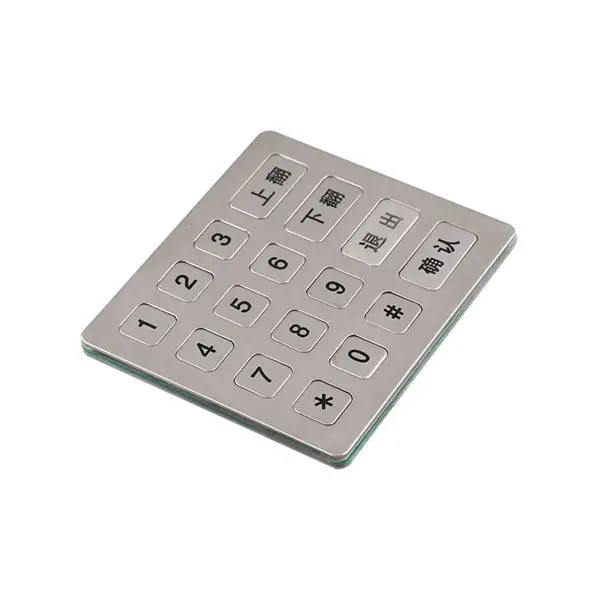
On the floor of a factory, tools have to work when required; regardless of the conditions, in the middle of the day or the middle of the night. There’s a reason that the benefit from a few simple but potent features can make a major impact, like backlighting for keypads. They have the same effect when people are the keys, whether to the midnight shift or just a dark control room. From outdoor kiosks exposed to direct sunlight to factories with fluctuating ambient light, backlit displays improve both safety and efficiency. Today we explore the how and the why this feature is allowing for the creation of jobs in the real world, and also why this feature is quickly becoming a necessity when it comes to keypad design for industry.
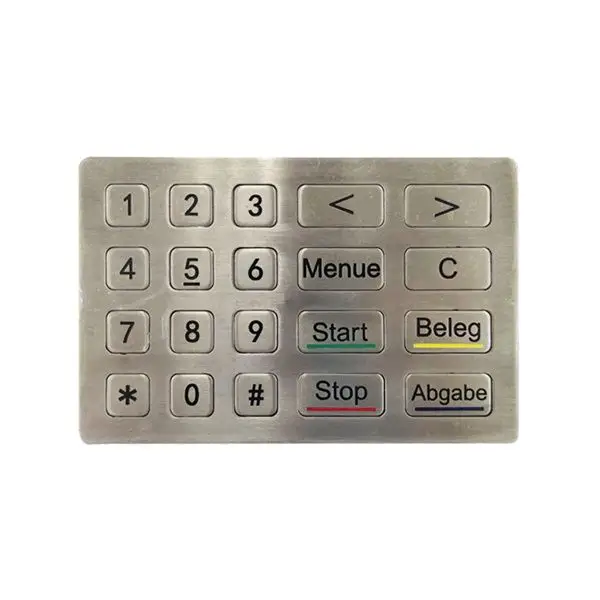
LED vs. Other Backlighting Technologies for Industrial Keypads.
If you’re looking to light up some industrial keys, not all backlighting was created equal. You will find the most common ones to be LED (Light Emitting Diode), EL (Electroluminescent), and fiber optic lighting. They all have their advantages and disadvantages, but LED by far is the most commonly used for contemporary industrial work.
LED backlighting is crisp, energy-efficient and long-lasting. It consists of many small light emitters that can be applied just below or next to the keys. These lights are bright enough to be seen in the low light and outdoor conditions and are available in multiple colors. LEDs also tolerate temperature extremes, which is critical in outdoor kiosks or cold storage applications. And they have a long life span, with some burning for more than 50,000 hours, so there is less maintenance.
On the other hand EL panels get a nice even illumination and such. And however sleek they may look, they are not as cold-temperate and tend to fade after a year or so. EL panels are also more delicate and will breakdown if they get wet, reducing their application in rough outdoor environments.
Fiber optic backlighting employs a source of light that travels through fibers to illuminate the keys. This configuration is sometimes the right choice when space is tight, but it’s more complicated to install and service. Moreover, fiber optic systems can’t compete with the brightness and color flexibility of LEDs.
If you want something that is hardwearing, long-lasting and straightforward to work with, then LED backlighting is often a better option. It’s got performance that’s pretty uniform across a broad range of environments, which is exactly what you want in an industrial context.
Importance of Backlighting in Low-Light Conditions.
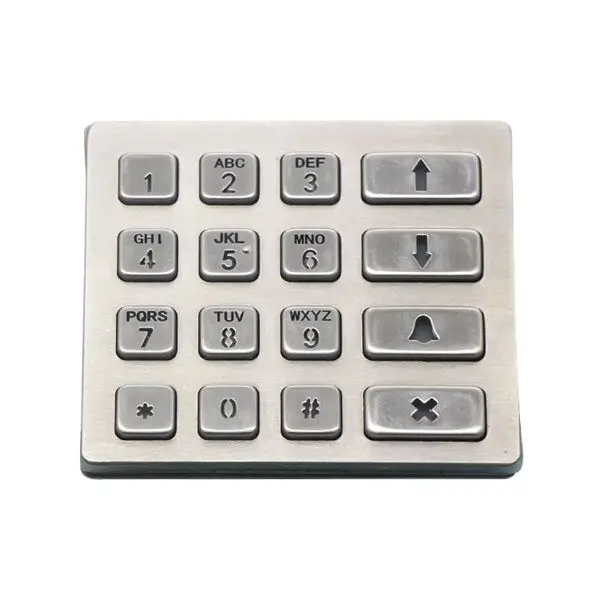
Durable Backlighting Solutions for Rugged Industrial Settings.
Industrial environments can be tough. There’s dust and liquid and vibration and heat and maybe refrigerant. Under these conditions, any part of equipment that should not be a long-term part can easily fail even backlighting in keypads. It’s another reason why durability is right at the top of the list of criteria when choosing backlit keypads for demanding environments.
LED blacklighting is the go-to solution for when the going gets tough. It’s not only bright and low on power, it’s also shock-resistant and vibration-resistant and puts up good numbers on temperature swings. The LEDs elements are mounted in the keypad and often in a protective housing with water/dust cover like IP65 or 67. That kind of installation means the lighting can’t possibly fail, even if the keypad is working away outside in the rain, snow, or dusty job sites.
Some keypads also use silicone or polyurethane caps on the circuitry and lights to provide a second layer of defense. There finishes are moisture-resistant and protect components from corrosive environments. For many mining, oil and gas or marine applications, this extra level of sealing can be the difference between how long your keypad will last in the field.
And the way the light is integrated is especially important. In the case of a rugged look, back illumination is integrated in the key structure, not as a separate layer to prevent damage even during use. This construction minimizes flickering and malfunction for poor contact or contact wear.
Customizing Backlight Color and Intensity for Specific Applications.
One of the greatest benefits of LED backlighting in industrial keypad products is that it is customizable not just in brightness, but also in color. This versatility allows for easy customization of the keypad based on the specific environment or application. Color and intensity aren’t just for appearance, it has real functional benefits.
Take for example, illuminating an entire control room wall with a single soft red or amber backlight The soft light is easier on operators’ eyes working in dark environments and it helps to keep the operator’s attention for long hours without shining the light throughout the entire room. Red is especially common in night operations, because it does a better job of maintaining the night vision you’ve acquired than white or blue. On the other hand, when used in a sunlit outdoor environment, you may need a brighter white or blue backlight to cut through ambient light and remain readable.
Backlight intensity matters too. Some of the keypads include dimming options either automatic light sensors or manual so, for example, workers can adjust the brightness as the light around them changes. Since keys need to be visible in a well-lit welding zone the higher contrast of the backlight was also a benefit. Dimmer light can cause less glare and less distraction in the quiet of a lab or doctor’s office.
Color-coding is another practical use. Different portions of the key pad may be backlit in different colors to help guide a user through complex systems. This, at least, takes all the guess work out for new shooters or high stress situations.
When choosing or designing one, think about how and where the keypad is going to be used. Here, it’s not a just nice-to-have to be able to adjust colors to what you like, but it enables the keypad to fulfill its function in your life better, more safely, and more comfortably when you have to have it every day.