In factories or workshops, machines and tools get used hard every day. There’s always dust, water, grease, or even chemicals around and these can easily damage devices like keypads that people use to control machines or lock systems. That’s why waterproof industrial keypads exist. They’re made to survive in tough, messy places without breaking down. But if you’ve ever had to stop work because a keypad failed, you know how expensive downtime can be. A rugged, waterproof keypad might actually save money and headaches in the long run.
Key Applications in Outdoor and Wet Environments
Waterproof industrial keypads are built for places where normal ones just don’t last. Think about outdoor kiosks, parking gates, or vending machines left out in the rain and dust. A regular keypad might stop working after a storm, but a waterproof one is sealed tight, so it keeps going even through heavy rain, snow, or messy spills.
In factories, they’re just as useful. Operators often need to enter settings while wearing gloves or working near oils and coolants. Unlike standard units, these keypads don’t short out or stick they keep working. Many facilities that switched to them even saw less downtime thanks to fewer breakdowns and repairs.
They’re also perfect for outdoor access points like parking lots, gated sites, or construction areas. With ratings like IP65 or higher, these keypads shrug off weather and keep working for years. One warehouse manager even told me a flood hit his loading dock, but the waterproof panels stayed alive avoiding a huge disruption.
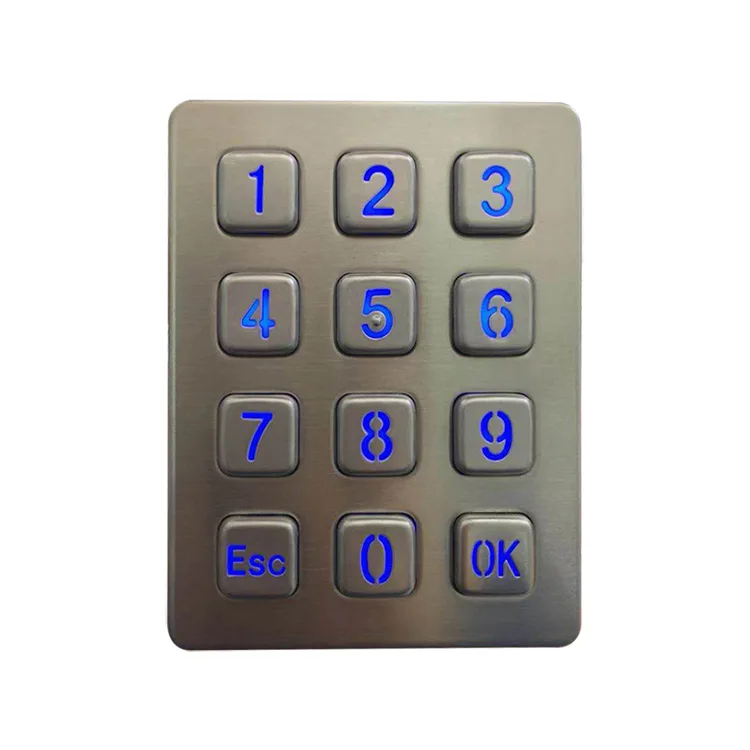
IP65 vs. IP67: Which Do You Really Need?
An IP65 keypad is fully dust-proof and can handle water jets from any angle. That makes it great for places with splashes, rain, or cleaning sprays like factory floors or outdoor kiosks. It keeps working in messy conditions, but it’s not built to stay underwater.
IP67 offers stronger protection. It’s also dust-tight but can survive being submerged in water up to a meter deep for about 30 minutes. This makes sense for flood-prone areas, marine equipment, or outdoor docks where heavy rain and standing water are common.
If your keypad mostly faces dust and occasional splashes, IP65 will usually do the job and save you money. But if submersion is a real risk, IP67 gives that extra layer of security.
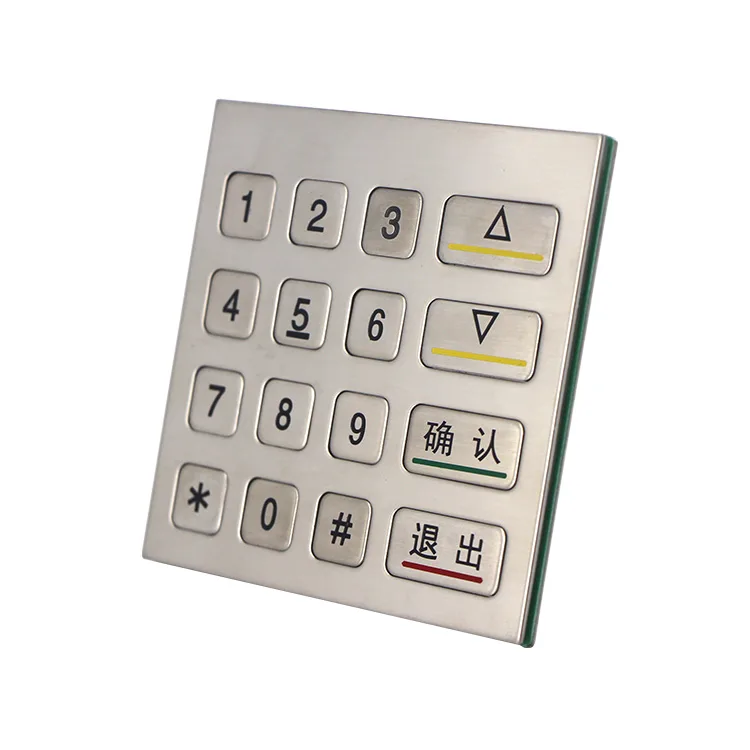
Maintenance Tips for Longevity
Wipe the keypad regularly with a soft cloth and mild soap to clear away dirt, dust, and grease. Skip harsh cleaners or rough materials, since they can damage the seals. In dusty or oily areas, a quick wipe at the end of each shift helps prevent buildup.
Check for cracks, loose buttons, or worn seals. Waterproof doesn’t mean indestructible, and small issues can turn into failures if ignored. Outdoors, inspect after storms or heavy rain to make sure no water is pooling around the unit. Sun exposure can also cause fading or brittle buttons over time.
Pressing the keys too hard can shorten their life, even for rugged models. A firm but gentle touch is enough gloves or not.
Finally, keeping simple maintenance records helps spot patterns, like recurring dirt or button wear, so you can fix the cause instead of constantly replacing unit