When it comes to outdoor gear, the little bean-counter keypads that most manufacturers make are not designed to last. If you work with industrial machines or control systems outside, say, in construction, agriculture, marine or heavy transportation, for example, you need a keypad that can withstand the elements. Whether rain, dust, temperature swings or the occasional unintentional splash of chemicals, it’s all in a day’s work. That’s when and where a genuinely waterproof industrial keypad is a must-have. But not all products claiming waterproofness will stand up to real-world abuse, no matter how much you spend on a garment or bag. Save yourself time, money and the hassle of choosing the right features by reading this guide.
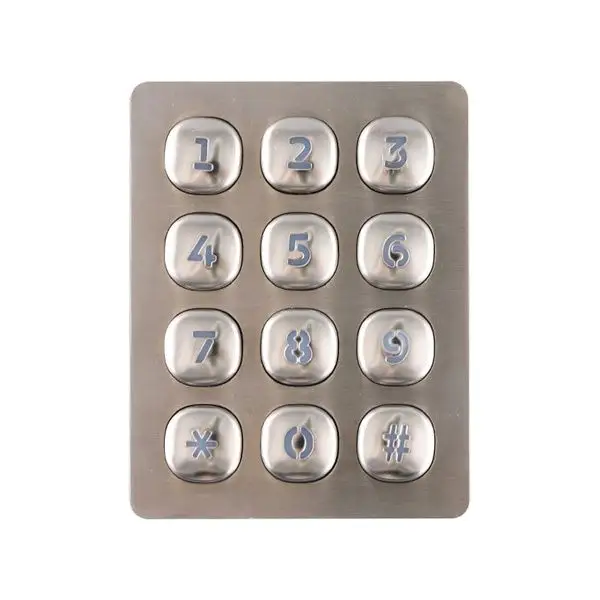
Understanding IP65 and Higher Ratings for Industrial Keypads.
When selecting a waterproof industrial keypad the IP rating should be one of the primary concerns. “IP” is short for Ingress Protection, and it’s a measure of how effectively a device can keep out solids, such as dust, and liquids, such as water. With an IP65 rating, the keypad is dust-protected and can withstand low-pressure water jets from any directing. That’s fine for many outdoor applications, such as wall-mounted controls for a factory gate or building panels exposed to occasional rain.
But if the environment your keypad will be subject to will regularly include strong contact with water such as exposure to pressure washing, driving rain or even occasional submersion, IP65 may not be sufficient. In those instances, seek a keypad that is rated at least IP67. An IP67-rated keypad is both dust-tight as well as waterproof in up to a meter of water for approximately 30 minutes. IP68 is even more so, being waterproof against continuous immersion, however, the actual depth and length is dependent on the manufacturer.
In sum, you can remember it this way:
IP66 = Dust-tight + Strong water jets
IP67 = Dust Proof + Immersion for short period of time
IP68 = Dust tight and good for continual submersion (range of specs)
Real-world case: One construction firm deployed IP65-rated keypads on the gates to their construction sites. They functioned well until the monsoon season, when heavy rains and muddy splashes led to numerous failures. They switched to IP67-rated versions and have had no problems since.
Be sure to select an IP rating appropriate to the type of environment your gear will actually be used in not just whatever looks good on paper. This easy check can keep you running and prevent that you have to repair constantly.
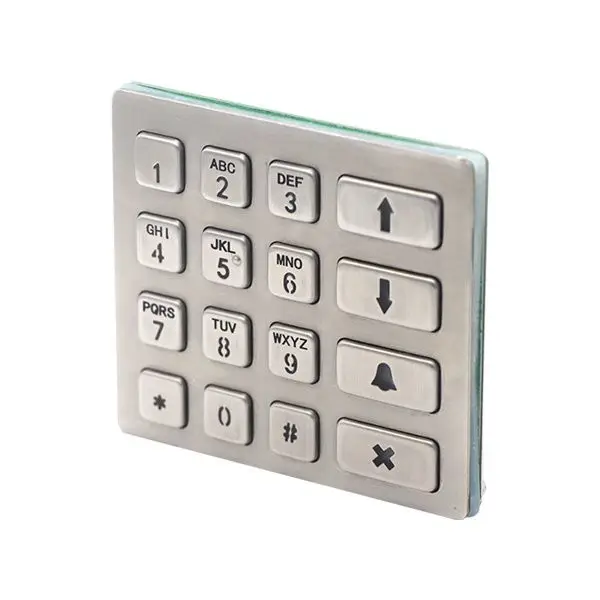
Material Choices: Stainless Steel vs. Zinc Alloy for Waterproofing.
The type of material used in the keypad shell is a huge factor in its resistance to the elements outside. There are two types of materials that are generally used in industrial waterproof keypad, stainless steel and zinc alloy. They are both tough but act differently depending on the conditions.
Stainless steel is widely known for its resistance to rust and is a great choice in a wet, moisture-rich environment such as a sauna. That’s why stainless steel is frequently used in marine applications, outdoor security panels or in food processing plants, where washdowns are a regular occurrence. It also is incredibly hard, making it resistant to impact and vandalism. If your keypad is going to be out in the rain, high humidity or around chemicals, stainless steel is typically a safer choice. It does all that while continuing to look beautiful without much maintenance.
While, zinc alloy is commonly utilized with manufacturers looking to achieve a blend between strength and design flexibility. It has a more textured surface than smooth for additional gripping and prevents paint and other materials from adhering. But the zinc alloy is not naturally as resistant to corrosion as stainless steel. Over time, particularly in wet or salty contexts, it may show wear if it hasn’t been properly treated.
Here’s a quick comparison:
Stainless Steel
Perfect for wet, salty or chemically active environments
Very rust and dent resistant
Heavy-weight military equipment is also a great application for this hardware.
Zinc Alloy
Great for temperate climates or indoor/outdoor use
Less expensive in many cases
Requires protective coatings for it to endure for a long time
Real-world use: A trucking company was using zinc alloy keypads on its outdoor fuel stations. In as little as a year, the units began to corrode from rain and fuel splashes. Plastic models have been replaced with stainless steel ones to address the issue and reduce maintenance.
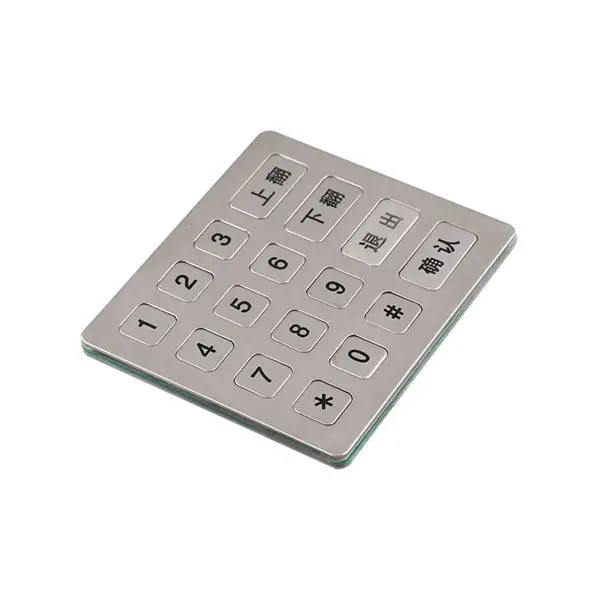
Seal Technology: Ensuring Long-Term Protection Against Moisture & Dust.
The waterproof keypad is about not only the outer shell but also what’s happening underneath. The sealing technology in the keypad is what prevents moisture, dust and anything else sneaking in over time. Even if it feels like a solid casing, a poor keypad seal can fail quickly, especially when it’s subjected to the elements outdoors.
There are several sealing techniques that make the difference:
Rubber or silicone gaskets: These softer seals are positioned between the keypad’s front panel and base. When the unit is assembled, they compress to create a snug seal, keeping liquid and dust at bay. Gaskets should be thick to withstand the test of time without wearing out, drying, cracking, shape loss [during hot or freezing temperatures], etc.
Potting or epoxy sealing: On some tougher designs, the electronics are encapsulated or “potted” in a waterproof resin or epoxy. This virtually eliminates the capability for moisture to penetrate sensitive circuitry, even in case of exposure of the housing. They are widespread in offshore equipment or buried applications where reliability is very important.
Sealed dome membrane switches: These waterproof keypads are membrane layers that are sealed with adhesives to keep the circuit safe below it. The buttons are sealed independently so even if one button is continuously pressed, the leak-proof functionality will not be compromised.
Example in real life: A city water utility agency installs keypads on outdoor pump stations. The early ones had lousy gaskets that would allow condensation to form inside on cold mornings. Once we installed units that had both silicone gaskets and potted electronics, the failures ceased entirely even during storm season.
In the selection of keypad, pay attention to more than just the IP rating or the outer material. Ask how it’s sealed inside. That extra layer of defense can translate into the difference between a keypad that lasts for months or one that lasts for years.
Top Applications Demanding Waterproof Industrial Keypads.
Waterproof industrial keypads are found in all types of environments, though there are some job roles that absolutely rely on them. At these sites, a keypad failure isn’t simply an inconvenience, it could halt operations, compromise safety or cause equipment damage. Here are some of the primary use cases where a waterproof keyboard is not only helpful, but downright essential.
Outdoor access control systems: Gate entry control panels, parking lot readers, and building access control systems are typically mounted outside and remain outdoors all year long. They endure rain, dust, sun and snow. If the pad isn’t properly sealed, water can leak in and short out the electronics. A logistics company installed IP67-rated stainless steel keypads to their warehouse gates when the standard versions kept becoming defective during the rainy periods.
Marine & dockside: Saltwater, high humidity and constant spray are the speed bumps to long boat and dockside life. Electronics can be particularly brutal in salt. Marine-graded keypads with sealed internals and corrosion-resistant materials such as stainless steel are the rule here. For sailing A fishing port put sealed stainless steel keypads on their boat fueling stations to avoid salt infiltration and rust.
Public transit stations: Ticket machines, kiosks, and emergency systems at bus and train stations are subject to the elements and heavy handling. These keypads must also be waterproof and vandal proof. IP66 or better weatherproof models with robust housings, can withstand both weather and prevent vandalism.
Food and beverage plants: In those washdown areas that are cleaned down with powerful hoses, keypads need to withstand strong water jets and chemicals throughout the bearing cycle. This can involve systems which are sealed, not just to IP65, but which have electronics and surfaces that are chemical resistant.
Heavy Industrial and Construction Dusty factories or construction sites need keypads that are both water- and dust-proof to control machinery, gates, mobile units. Without good sealing, failures from minute dust and vibration happen soon.