Firefighters operate in dangerous unpredictable conditions where every second counts and standard communication tools often fall short. Specialized telephone handsets are designed to endure extreme heat, smoke, water and loud environments, providing a reliable lifeline amid chaos. Whether coordinating rescues, reporting from inside a burning building, or staying connected with command, clear communication can mean the difference between success and disaster. And the right equipment not only keeps firefighters safe but also helps them save lives.
Flame-Resistant Materials for Extreme Heat Exposure
Firefighters face extreme heat that can melt ordinary plastics or damage standard electronics which is why specialized handsets are made from flame-resistant materials like high-temperature thermoplastics or composites and these materials resist fire and radiant heat, keeping the handset functional even in burning environments. Some designs also have coatings to further protect the casing while internal components such as wires and circuit boards are insulated and engineered to avoid overheating and in real-life situations, like a warehouse fire, these handsets remained operational near the command post allowing crews to coordinate evacuations when radios were overloaded. By using heat-resistant materials, manufacturers ensure firefighters have a reliable communication tool, maintaining safety and coordination even in the most dangerous conditions.
Portable Design for On-Scene Mobility
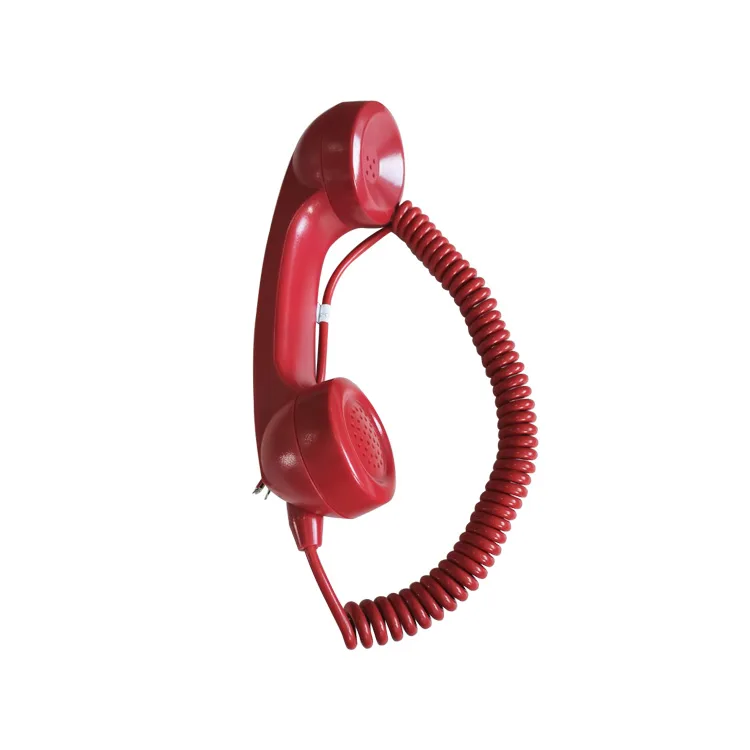
In active fire scenes, firefighters are constantly moving so specialized handsets are designed to be portable and lightweight, allowing communication without slowing anyone down. Many come with clips, straps, hooks or retractable reels so they can be carried, mounted or quickly returned to a safe spot without tangling cords while both wired and wireless designs focus on easy access and mobility. Like for instance, during a high-rise fire drill, crews used portable handsets along stairwell command points, letting firefighters report hazards or progress between floors without radio bottlenecks. Buttons and controls are large and tactile for use with gloves and grips are textured or rubberized to prevent slips even when wet. This portable design ensures faster communication, fewer missed messages and better coordination, keeping firefighters connected while on the move.
Push-to-Talk (PTT) Switches in Emergency Coordination
In emergencies, speed and clarity are critical and Push-to-Talk (PTT) switches make this possible by letting firefighters communicate instantly with a single press, sending messages directly to the command center or team members and these switches are large, sturdy and easy to locate even in low visibility or while wearing gloves and can be mounted on the handset, cord or nearby for quick access, keeping one hand free for tools. Like for example, during a factory fire, crews used PTT handsets to report sudden changes in smoke direction, allowing teams to reposition safely in real time. PTT also keeps messages short and clear, preventing information overload in loud environments and by reducing communication to a simple press, PTT switches help firefighters share life-saving information quickly, keeping everyone safe and coordinated.
Aviation & Firefighter System Integration Standards
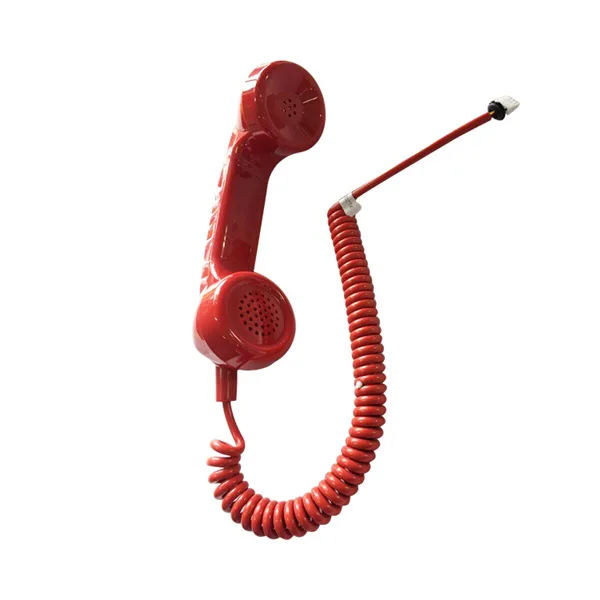
Firefighters often work with airport rescue teams and other specialized units, so communication systems must connect seamlessly and integration standards ensure different teams can talk without technical barriers by matching wiring, signals and protocols. Many firefighting handsets have dual or multi-mode capability and can auto-detect the system they’re connected to like for example, during a coastal airport drill crews coordinated directly with control towers and medical teams because both systems followed the same standards. These standards remove communication gaps, allowing teams to share critical information instantly, which saves time, reduces confusion and improves safety for responders and the public.
Ruggedized Construction for Impact Resistance
Firefighting environments are harsh and equipment must withstand extreme conditions. Specialized firefighter telephone handsets are built with ruggedized construction to handle drops, knocks and physical stress without failing and their outer shells use high-strength polymers or metal alloys to resist impacts while sensitive electronics inside are cushioned with shock-resistant mounts. Buttons, switches and connectors are reinforced to stay functional even after repeated use like in one instance, a handset fell from a second-floor balcony onto concrete but continued working, showing the value of its durable design. These handsets are also sealed against water and dust, ensuring they function even when exposed to debris, rain or fire suppression efforts and by combining impact resistance with protective sealing, ruggedized handsets keep communication lines open on chaotic firegrounds, giving firefighters reliable tools when they need them most.