The task facing outdoor telephone handsets is substantially more demanding than that for which indoor handsets can be designed. They’re pelted with sunlight for hours on end, and objects can break down or fade as time passes. The sun’s ultraviolet rays can degrade plastics, and bright colors on handsets fade over time, giving an old, worn-out look. That’s the reason for UV-resistant materials – they let the handset remain in power and gorgeousness for years, no matter what the weather brings with it. With UV protection handsets, outdoor telephones remain reliable and safe, averting the breakage or discoloring that can lead to costly repairs or replacements.
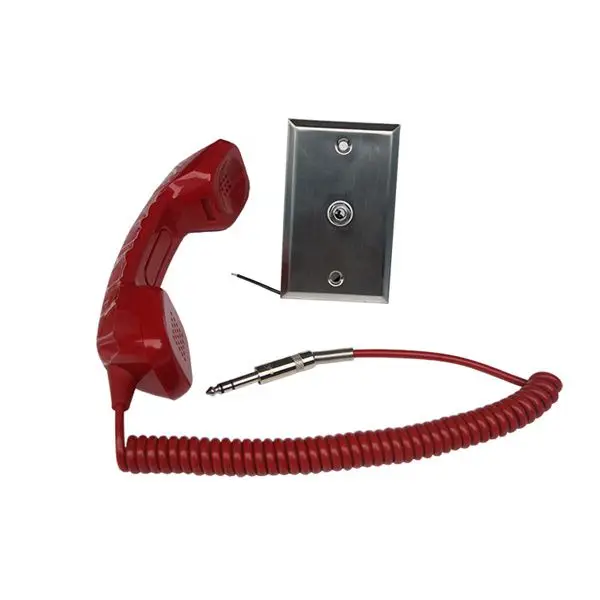
Coastal & Desert Climate Proofing.
Outdoor telephone handsets get beaten up by coastal and desert environments, and UV-resistant materials do a lot to keep them functional in these spaces. On the coast, salt-laden air and strong sun can be brutal. Salt can cause metal parts to corrode and plastics to degrade, while UV rays lead to fading and brittleness. One crafted from UV-resistant, marine-grade materials also does a better job of standing up to all those forces, lasting longer without cracking or its finish going dull.
Desert environments mean scorching heat and so much sun exposure. The temperature can rise quite high, and plastic can deteriorate fast in strong UV radiation, if it isn’t treated to be protected. Unprotected handsets could become brittle, crack or discolour, and at best fail when required. The use of UV-stabilized materials allows these apparatuses to remain strong and committed even in blistering temperatures.
Public phones (e.g., beach phones, desert park phones) employ UV-resistant materials in combination with corrosion-resistant coatings, which can provide substantial benefits. All this means your handsets are protected from the sun and the environment, decreasing down time and repair costs! If you’re in charge of outdoor phones in tough climates like these, there’s a no-brainer step you can take to ensure longevity, and that’s sourcing handsets that have built in UV protection.
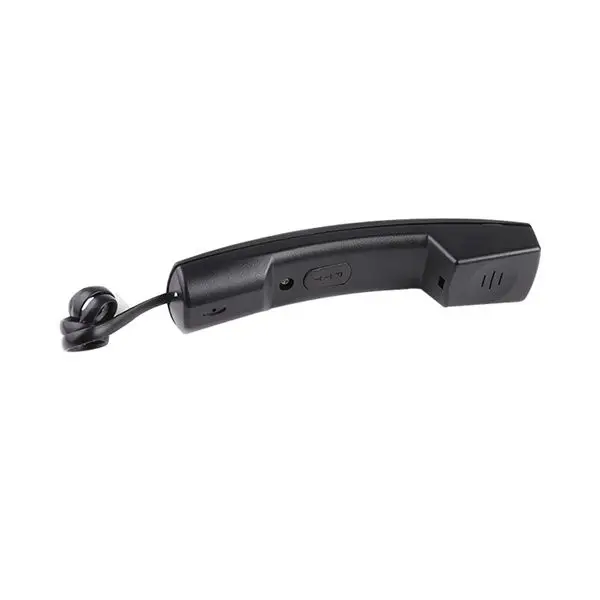
Anti-Fade Color Retention.
When phones live outside, their looks matter not just for appearance’s sake, but for making sure signs and buttons stay legible. Colors that can fade quickly in the sun can give handsets an aging look and deteriorate usability if labels or numbers are hard to see. That’s where anti-fade color retention comes in.
The materials itself with resistance to ultraviolet, does not easy to become aging, no easy to yellow color and handsets keep fresh a long time. It won’t fade or yellow, and it keeps the phone looking great and easy to find. This is particularly helpful in public spaces like parks, bus stops, or campuses where visibility is important.
For instance,certain outdoor emergency phones may be encased in color-fast plastics that do not fade over time as they are exposed to the sun. This is money and labor-saving, as handsets do not require frequent repainting or complete replacement. When selecting an outdoor telephone, pick the one that also features color retention directly in the phone’s design this means that the device remains both functional and good looking even after spending full days in the sun.
Thermal Stability (-40°C to 70°C).
Outdoor telephone handsets are typically exposed to a variety of temperatures, such as those found in areas with extremely cold or hot weather. Those substances need to withstand occasional freezing cold in winter and scorching heat in summer without cracking, warping or deteriorating. Thermal stability is where it comes in: Handsets made from materials stable between -40 degrees Celsius and 70 degrees C can continue operating with ease and without damage.
When plastics or other components are not designed for such temperatures, they can turn brittle in the cold or soften and bend out of shape in the heat. This results in breakdown, leakage or poor performance. Thermal stable Materials The shape and function isn’t easy to be changed even by the high temperature.
An outdoor phone in the north, where temperatures plunge at night and sky at midday, for example. Handsets designed to survive within this temperature range do not suffer issues such as cord cracking or housing warpage leading to failures. Less repairs and longer-lasting equipment, so to speak.
And if you are handling outdoor communications, choosing handsets with known thermal resilience is an added protection to future-proof your investment so that your users can still depend on the phones at any time, in any weather.
Solar Exposure Testing.
An outdoor telephone handset is used outdoors most of the time, and it is only natural to understand how it works for long term exposure to the sunlight. Solar exposure testing is for seeing how materials react to the sun’s rays particularly the ultraviolet (UV) part, which can fade, crack and weaken materials.
Manufacturers even simulate years of sunlight in a matter of days via special lamps that replicate the intensity of the sun. This helps determine whether a phone’s plastic (or coatings) is going to remain robust and colorful, or if it’ll degrade prematurely. The handsets that attain these expectations are designed to withstand the outdoor elements and not degrade in functionality, nor in aesthetics.
For example, emergency phones at outdoor facilities or parks are solar exposed tested to maintains their reliability even while exposed to direct sunlight all day. Absent that testing, a handset could fail on someone in an emergency, leaving them without a way to communicate at a crucial time.”
If you’re considering outdoor telephone handsets, it’s a good idea to inquire whether solar or sun exposure testing has been done as an assurance that the device will hold up against the sun’s ultraviolet rays. It’s a sensible way to ensure you never have to replace the covers, and not be deprived of the ability to communicate, no matter the weather.