Even with smartphones and digital ways to talk, old telephone handsets are still around. You can see rotary phones in boutique hotels or corded phones on office desks. These old phones still work and appeal to people who like things simple. They don’t need apps, updates or Wi-Fi, so they work even where modern networks fail. They may look old but retro phones can still be useful for reliable calls, a bit of nostalgia or a cool look in homes and offices.
Vintage Aesthetics in Contemporary Kiosks & Hotels
In many modern hotels and boutique kiosks, old-style telephone handsets are quietly coming back not because they are the newest tech but because they add character. Guests notice them right away, drawn to the warm, nostalgic feel of a shiny rotary phone on a bedside table or a corded phone at a kiosk, reminding them of a slower more thoughtful time. These phones work well today, fitting modern phone lines or VOIP systems, letting staff keep a stylish look without losing reliable communication. Kiosks use them to grab attention, invite interaction or even create photo moments, giving a small but memorable experience. The appeal isn’t only nostalgia old designs show quality and care, and using a receiver or dial can feel satisfying in ways touchscreens rarely do. Paired with warm lights, wood surfaces, and classic signs, they make spaces feel modern yet timeless. For business owners, adding a retro phone is simple, affordable and effective, quietly bridging past and present while giving guests a sense of home and personality.
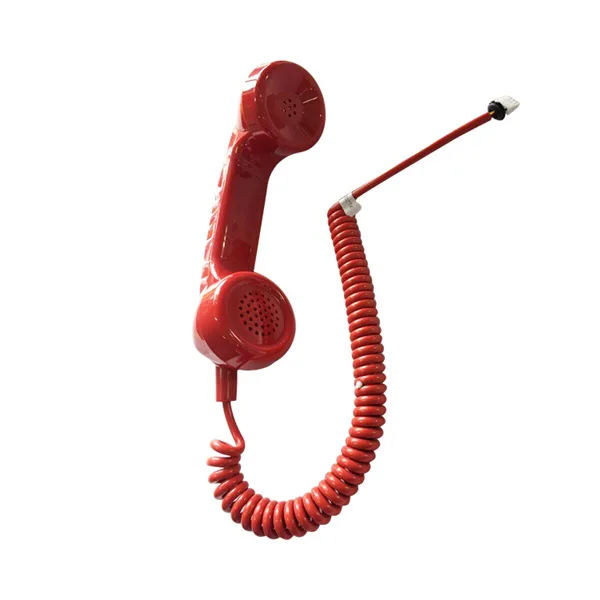
Modern Durability Upgrades: ABS Plastic & Weatherproofing
Retro telephone handsets are still useful today because their designs have been updated for modern needs. While old phones were sturdy, materials like Bakelite could crack over time but today many handsets use ABS plastic, which is strong, light and can handle drops, bumps and daily wear, making them great for busy areas like hotel lobbies, kiosks or small offices. Weatherproofing is another improvement, modern retro phones often have seals and coatings that resist moisture, dust and temperature changes, so they can be used outside a café or at an outdoor tourist kiosk without constant maintenance. The classic look is kept, so you can have a glossy vintage handset with a rotary dial or buttons but built to handle real-world use. Picking models with reinforced cords, impact-resistant housings and waterproof seals combines timeless style with durability, giving a phone that is both attractive and practical for modern life.
Integrating Hotline Dialers into Classic Designs
Retro telephone handsets stay relevant by mixing their classic look with modern features like hotline dialing. A hotline connects the phone to a specific number with one button press, which is perfect for reception desks, hotel concierge stations or emergency points. Adding this to a vintage-style handset gives instant, reliable communication without losing the retro charm. The phone’s look doesn’t change, modern electronics are hidden inside the base or wall unit, keeping the rotary dial or buttons visible. Guests at a boutique hotel can enjoy the nostalgic feel of a corded phone while staff answer calls quickly. This works well for public kiosks or emergency phones too where a bright retro handset grabs attention and one-touch dialing avoids mistakes or delays. It’s also easier to maintain because the direct connection reduces line errors. Combining hotline functionality with a vintage phone proves retro designs can be both stylish and practical, giving businesses a tool that looks great and works efficiently in today’s communication setup.
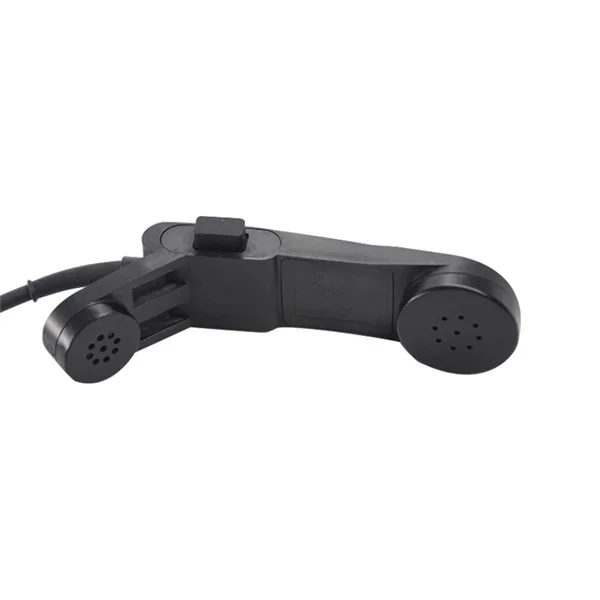
Railway Station & Heritage Site Installation Case Studies
Retro telephone handsets have found a place in public spaces like railway stations and heritage sites, where historic looks need to be preserved while still offering practical communication. Retro phones strike this balance, giving a vintage feel without losing reliability like for example, a European railway station restored its early 20th-century waiting hall and added classic corded phones at information counters and ticket booths. The phones blended with wood paneling and brass fixtures while modern wiring and weatherproof components made them durable for heavy use. Travelers enjoyed the nostalgic design and staff had clear, dependable lines. Heritage sites benefit too, a historic museum in Asia added retro handsets to exhibits so visitors could “call” narrators or play audio stories. The phones looked authentic but used ABS plastic and moisture-resistant features to handle frequent use. These examples show retro handsets do more than decorate, they improve visitor experiences and help staff work efficiently. When carefully planned with upgrades like hotline dialing, weatherproofing and network compatibility, retro phones let stations and heritage sites keep their charm while meeting modern needs.
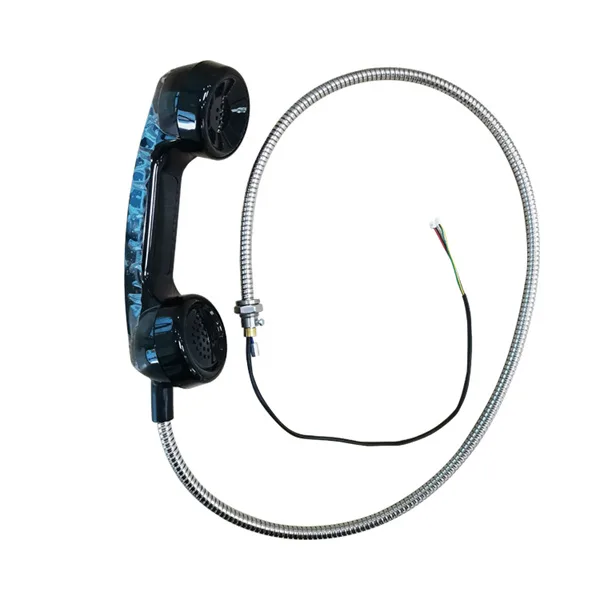
Customization: Combining Retro Style with PTT/Noise Canceling
Retro telephone handsets can be both stylish and practical when upgraded with features like PTT (Push-to-Talk) buttons and noise-canceling technology which is useful in busy places like train stations, hotel lobbies or event venues. These upgrades keep the classic look while improving communication. A PTT button lets users send messages instantly without lifting the receiver or dialing a number like for example, a hotel security team could press one button to talk across the building. The vintage handset feels familiar while the PTT system ensures messages are fast and clear. Noise-canceling features help by reducing background sounds, so calls stay clear even in loud areas. These improvements don’t change the phone’s outward look, keeping its retro charm while adding modern performance. Customization also allows different colors, finishes and handset styles like pastel phones in a boutique café with built-in noise-canceling microphones, combining style and function. By adding PTT and noise-canceling features, retro handsets become more than decoration they are reliable, efficient tools that show classic design and modern tech can work together.