When working on small to medium projects, every expense matters — and communication tools are no exception. Telephone handsets, though often overlooked, play a big role in ensuring smooth daily operations, whether it’s for a construction site, a security booth, or a small business office. Choosing the right handset doesn’t always mean going for the most expensive model. The goal is to strike a balance between cost and performance — getting reliable, durable equipment without stretching the budget. With smart choices and a clear understanding of what the project really needs, it’s possible to find affordable telephone handsets that deliver dependable performance day after day
ABS Plastic Telephone Handset for Light-Duty Use
When your project doesn’t require handsets built for heavy or rough use, ABS plastic models can be a great and affordable option. ABS (Acrylonitrile Butadiene Styrene) is a lightweight but durable plastic that resists scratches and small impacts, making it suitable for light-duty use such as in a small call center, office, or break room. To get the best results, it’s important to check a few key features. The shell quality matters thicker walls or reinforced corners help prevent cracks if the handset is dropped. Coiled cords are better than straight ones because they are flexible and resist tangling, especially if they have strain relief ends that reduce wear. The ear and mouthpiece grills should fit tightly to keep dust out, as dirt buildup can reduce sound quality.
A good example is a small non-profit office that switched to ABS handsets after their older models kept cracking. The new units cost about half the price of business-grade ones, and after a year of light use around 10 to 15 calls a day only one handset broke, and that was because someone stepped on it. To make ABS handsets last longer, avoid dropping them, clean them regularly with a mild cleaner, and stay away from cheap cords that can easily snap or fray. Overall, ABS handsets offer a budget-friendly and reliable choice for workplaces that need dependable phones without the high cost of heavy-duty models.
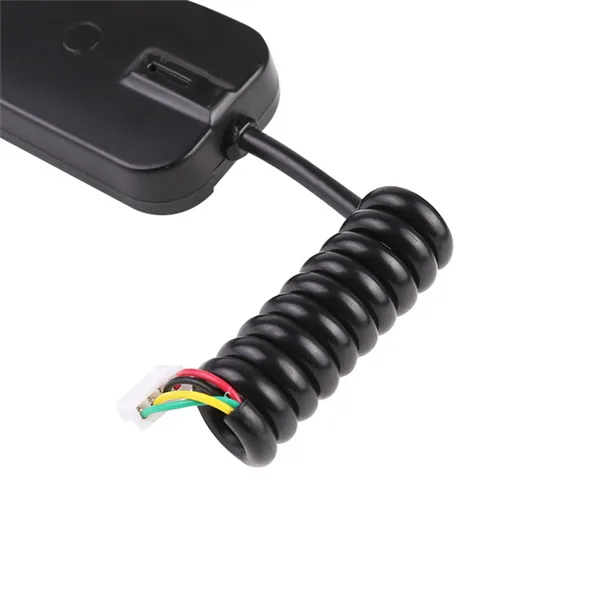
Basic Model Telephone Handset with Essential Features
A basic telephone handset with essential features gives you what you need without paying for things you don’t use. These models work well for small offices, shops, or any setup where calls are steady but demands on the phone are low. They give enough to make communication reliable and clear, without adding cost for fancy extras
Here’s what “essential” really means for these handsets:
Single-line operation: One phone line only. No multi-line switching. Good if you’re not expecting many simultaneous calls. Handset & ringer volume controls: You should be able to adjust how loud the voice is in the handset, and how loud the ring is. If the place is noisy, turning things up helps. Redial / Last-number re-dial: Mist something? You called someone just a minute ago and need to call back. Instead of dialing again, a redial button saves time. Tone / pulse dialing switch: Some phone systems still need pulse, others need tone (DTMF). Basic handsets often allow switching so they work with different phone networks. Wall-mountable vs desk-use design: Being able to hang the phone on the wall saves desk space; if the handset is just used occasionally, putting it on a wall keeps things tidy. Here are a couple of real-world examples:
A small repair shop replaced its old handsets with Panasonic KX-TS500 models. These phones are corded, single-line, let you redial the last number, switch between tone and pulse dialing, adjust volume, and even mount on the wall. The owners say setup was easy, and after a year of daily calls they’ve had almost no issues. In a home office, someone got a cheap handset that had all of that, plus hearing-aid compatibility. When a visitor who uses hearing aids needed to use that phone, they found the sound quality better than on newer handsets without that feature. Tips to pick a good basic handset:
Test the ringer and handset volume so you can hear clearly. Look for sturdy cords — coiled cords tend to resist tangling and strain. Make sure parts (cords, plugs) are standard; replacements should be cheap and easy to get. Even with basic models, check user reviews for reliability. A cheap handset might save money upfront, but replacing one often ends up costing more.
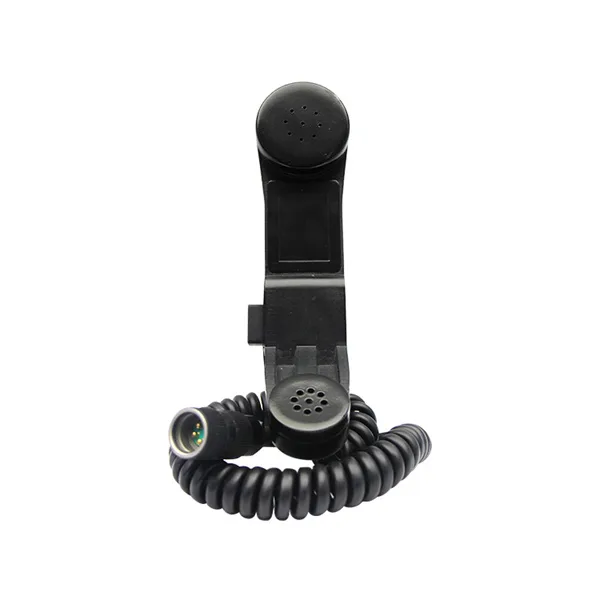
Low-Cost Public Telephone Handset for Community Areas
A basic telephone handset focuses on essential features, giving you everything you need for clear and reliable communication without unnecessary extras. These models are ideal for small offices, shops, or home workspaces where call activity is regular but light. Their simplicity helps reduce cost while maintaining dependable performance.
“Essential” features usually include single-line operation, meaning the handset handles one phone line without multi-line switching perfect for places that don’t handle many simultaneous calls. Handset and ringer volume controls allow you to adjust sound levels, which is especially useful in noisy areas. A redial or last-number redial button saves time by letting you quickly call back the last number dialed. The tone/pulse dialing switch ensures compatibility with both older and modern phone systems, and the option to wall-mount or use on a desk adds flexibility depending on your workspace layout.
Choosing the right basic handset, test the ringer and call volume to ensure clarity, check for sturdy coiled cords that resist tangling, and confirm that parts like cords and plugs are standard and replaceable. Always read user reviews even simple models vary in build quality. Remember, a low-cost handset is a smart buy only if it’s built to last.