Telephone handsets might not grab attention like fire alarms do, but they’re just as important. Sirens warn people to act, while the handset gives staff a clear way to talk during an emergency. In a fire, security teams, firefighters, and building managers need a direct, reliable line something mobile phones can’t always guarantee. A well-designed handset delivers clear sound even in noisy conditions and makes fast, two-way communication possible when every second matters. From office towers to industrial plants, the right handset ensures people stay connected, informed, and safe.
Key Applications: Building evacuation systems, stairwell communications, and fire command centers.
In any large building, clear communication during an emergency is just as vital as the alarm itself. That’s why telephone handsets are often built into evacuation systems. In a high-rise, for example, security staff can use them to guide people floor by floor, especially when elevators are shut down and finding the nearest exit becomes critical.
Stairwells are another key location. These spaces can quickly fill with smoke or panic, making it hard to coordinate. A handset inside or near the stairwell gives staff a way to reassure occupants simple words like “help is coming, stay where you are” can calm people and save lives. In fire command centers, handsets act as the communication hub. Firefighters and safety officers can monitor evacuation progress, talk to different floors, and relay updates to first responders outside, keeping everyone on the same page.
For maximum reliability, handsets should be tough enough to handle heat, smoke, and noise without losing sound quality. Weatherproof and impact-resistant models are especially useful in industrial sites or public buildings. When installed in the right places and tested regularly, these handsets become more than just phones they’re lifelines. They cut response times, keep people informed, and help first responders stay focused on bringing the situation under control.
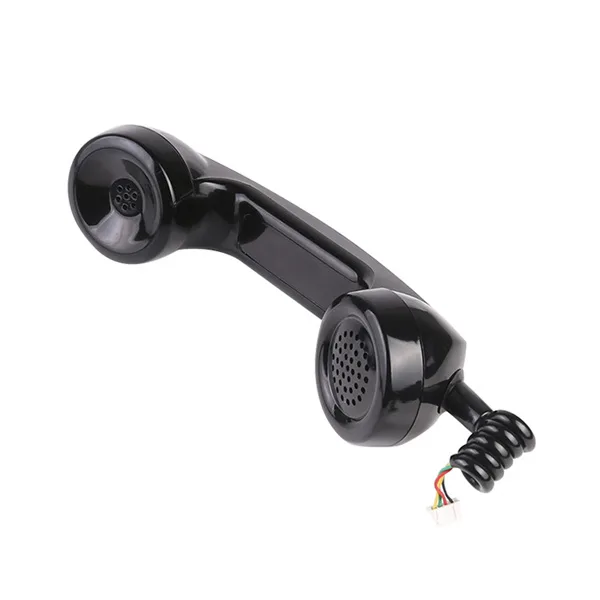
Critical Function: Providing a reliable, hardwired communication link for firefighters during an emergency.
One of the most critical roles of a telephone handset in a fire alarm system is giving firefighters a dependable way to communicate inside a building. Radios and cell phones can fail signals get blocked by thick walls, stairwells, or interference. A hardwired handset avoids those issues by providing a direct line that stays active as long as the system has power.
Picture a fire breaking out on the 10th floor of a hospital. Firefighters can pick up a handset at the fire command center and call a handset on that floor. They can report conditions, request backup, or confirm evacuations without leaving the danger zone. This constant line of communication helps commanders react quickly and send resources where they’re needed most. These handsets are designed for reliability. Often placed behind break-glass panels or inside wall-mounted boxes, they stay protected until the moment they’re required. Many also feature noise-canceling microphones so voices come through clearly, even with alarms blaring in the background.
To keep the system dependable, regular testing is essential. Building managers should check handsets during fire safety inspections, just as they test alarms and sprinklers. When firefighters know they can trust the line, evacuations run smoother, decisions come faster, and lives are safer. In an emergency, reliable hardwired communication can be the difference between order and chaos.

Pain Points: System integrity during power failure and clear communication in panic situations.
One of the biggest concerns for building owners and safety teams is making sure communication systems stay online when the power goes out. Fires often cause power failures as heat or smoke damages electrical wiring. If the handsets shut down too, firefighters and occupants could lose their lifeline to safety. That’s why most fire alarm and intercom systems are backed up with batteries or connected to emergency generators. These safeguards keep the lines active long enough for firefighters to coordinate rescues and manage evacuations.Clear communication is another challenge especially when panic takes over. In a real emergency, alarms are blaring, people are shouting, and smoke can make it hard to think straight. Without a reliable handset, messages may be missed or misunderstood. A simple instruction “exit through the west stairwell” or “stay where you are” can prevent confusion and stop dangerous crowding. Modern handsets also help by reducing background noise. Built-in filters cut through the chaos so only the speaker’s voice comes through. This is especially critical in noisy environments like factories, transit hubs, or shopping malls where constant background sound can drown out instructions.
To keep everything dependable, regular testing is essential. Backup batteries need to be replaced on schedule, and handsets should be checked during fire drills to confirm they’re loud and clear. Addressing these pain points before an actual emergency ensures the system will work when it matters most helping people stay calm, connected, and safe.