Public telephones are still used in many cities, especially where mobile signals are weak or in emergencies but they can be damaged by vandalism, making them unreliable or unsafe. Vandal-resistant handsets fix this problem, they are made with strong materials, reinforced cords and tamper-proof fittings, so the phone keeps working even in rough conditions. By reducing damage and misuse, these handsets protect the equipment and give users a sense of safety when they need to make a call.
Anti-Vandalism Design for High-Risk Areas: Prisons & Public Kiosks
In places like prisons and public kiosks, phone vandalism is a real problem with people sometimes damaging handsets, cutting cords or tampering with buttons. Anti-vandal handsets solve this by using tough materials like reinforced polymers or stainless steel that can take impacts and heavy use. Cords are reinforced or braided with steel to prevent cutting and buttons are recessed or flush to make them harder to break. In prisons, these handsets are vital, reducing maintenance and keeping communication lines working and some even have anti-ligature designs to prevent self-harm. Public kiosks face different risks as phones outdoors or in busy areas deal with vandalism, weather and heavy use. Anti-vandal phones can survive knocks, drops and attempts to steal parts, with tamper-proof screws, reinforced mounts and sealed electronics to block water and dirt. Cities that replaced standard phones with these models report fewer service interruptions and lower repair costs. Users feel safer knowing the phone works when needed, and these handsets keep communication reliable in high-risk areas while protecting both users and staff.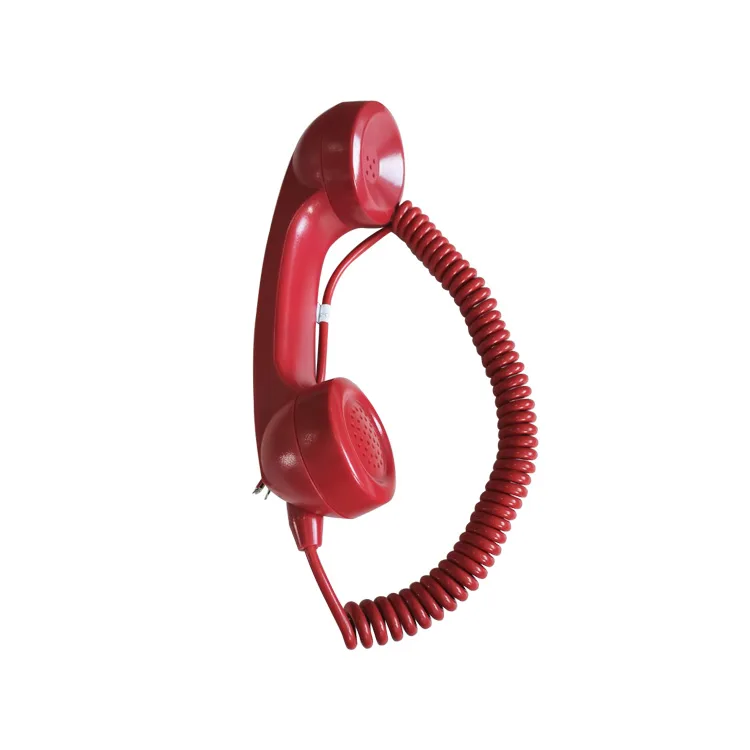
Weatherproof & UV-Resistant Outdoor Installation
Outdoor public phones face more than vandalism well they also have to handle rain, snow, strong sun and temperature changes. Weatherproof and UV-resistant designs help them survive these conditions. Housings are sealed to keep water out and materials like reinforced plastics and coated metals resist corrosion. UV coatings stop surfaces from fading or cracking in the sun. Weatherproof features often include covered keypads, sealed electronics and water-resistant connections, so phones keep working even in storms. Drainage channels or sloped surfaces help water run off instead of pooling. Transport hubs, parks and street kiosks benefit from this, cities with UV-resistant phones at outdoor bus stops saw fewer repairs and longer device lifespans. Users can rely on the phones, especially in emergencies while maintenance costs stay low. Combining weatherproofing with anti-vandal features like reinforced handsets and tamper-proof fittings makes phones strong and reliable in almost any outdoor setting, giving users confidence that the phone will work when needed.
SOS Emergency Hotline Dialer Functionality
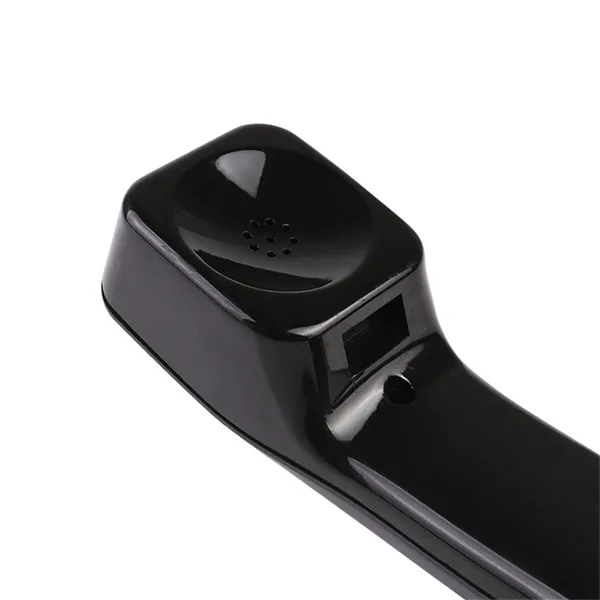
Modern public telephones often include an SOS emergency hotline dialer, letting users make urgent calls quickly without dialing long numbers or navigating menus. In high-risk areas or outdoor spots, instant access to emergency services can save lives. Vandal-resistant handsets usually have a large, clearly marked SOS button sometimes protected by a small cover to prevent accidental use and can connect immediately to local authorities or security. In places like prisons, hospitals or transit hubs, the system can also alert staff if the phone is tampered with or damaged. Cities with SOS-enabled phones at subway stations or bus stops let commuters reach help fast during accidents, medical emergencies or security threats. In prisons, staff get instant alerts if an inmate tries to misuse the phone, keeping communication safe. Combining a durable, vandal-resistant design with an SOS function creates a phone that is reliable and highly functional, giving users peace of mind knowing help is always accessible.
Armored Cables and Tamper-Proof Mounting
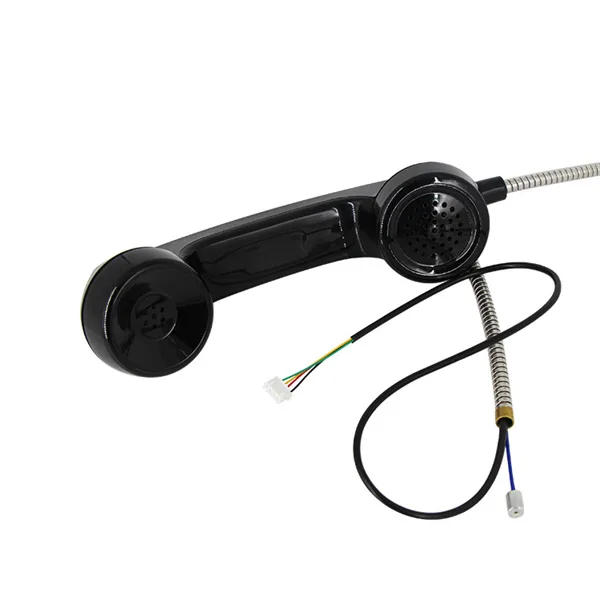
Armored cables and tamper-proof mounting make public telephones strong against damage and theft. Regular cords can be cut or broken but armored cables have metal braiding or reinforced coatings that make them hard to cut while still flexible for normal use. Tamper-proof mounting adds extra security by using special screws, bolts or hidden mounts that can’t be removed with simple tools, keeping phones fixed to walls or kiosks. High-risk places like prisons, subway stations and busy streets benefit from these features, armored cables stop misuse and tamper-proof mounts prevent theft or removal. Cities that upgraded to these designs report fewer service interruptions, lower repair costs and longer phone lifespans. Combining armored cables and secure mounts with anti-vandal materials and weatherproofing creates phones that are durable, reliable and safe for users.
Bank/School-Specific Public Handset Requirements
Public telephones in banks and schools face challenges that regular handsets can’t handle. In banks, phones need to be durable and secure protecting privacy and preventing tampering. Reinforced cords, tamper-proof mounts, secure housings and noise-reducing handsets help keep conversations safe. In schools, durability is important but safety is key. Handsets must handle frequent use, drops and rough handling, so anti-ligature designs, tamper-resistant buttons and shatterproof materials are used. Quick-dial SOS functions let students reach security or staff fast in emergencies. Customization can add extra security, banks might include alarms or automatic logging while schools can use protective barriers that still allow easy access. Real examples show these features work, banks with reinforced handsets cut repair costs and stay professional and schools with tamper-resistant, SOS-enabled phones get faster emergency responses and fewer broken units. By meeting the specific needs of banks and schools, these phones combine durability, security and ease of use, keeping communication reliable where safety and performance matter most.